Understanding the psychology behind gambling behaviors in casinos
The Allure of Casinos
Casinos are designed to captivate the senses, drawing in players with vibrant lights, engaging sounds, and the excitement of potential wins. This sensory overload creates an environment that encourages prolonged engagement. The thrill of winning, even if it’s a small amount, can release dopamine, a neurotransmitter associated with pleasure and reward. This rush is a significant factor in why individuals return to gamble, often underestimating the risks involved, especially if they are unaware of the pinco registration option that is available to new players.

Moreover, the ambiance within a casino plays a crucial role in shaping gambling behaviors. The layout is intentionally structured to prevent players from easily finding exits, thus prolonging their stay. This strategic design fosters a sense of immersion and urgency, making it easy for individuals to lose track of time and money as they chase the next big win.
The Role of Cognitive Biases
Cognitive biases significantly impact how gamblers perceive their chances of winning. Many players fall victim to the gambler’s fallacy, the belief that past outcomes will influence future results. For instance, if a player has witnessed several losses, they might feel that a win is “due.” This misjudgment can lead to increased betting and risky decisions, often resulting in greater losses.
Another common bias is the illusion of control, where gamblers believe they can influence the outcome of games of chance. This belief is particularly prevalent in games like poker or blackjack, where skill is involved. Such misconceptions can lead players to overestimate their capabilities and take unnecessary risks, reinforcing their gambling behaviors.
Emotional Triggers and Gambling
Emotions play a vital role in gambling behaviors. Many individuals gamble to escape stress, anxiety, or depression. The temporary thrill of a game can provide a short-lived escape from reality, reinforcing the urge to return to gambling when faced with life’s challenges. Unfortunately, this coping mechanism can lead to a destructive cycle where individuals gamble to alleviate emotional distress, only to face increased stress from financial losses.
Additionally, winning can evoke powerful emotions such as euphoria, which further entices individuals to gamble more. The reinforcement of positive feelings associated with winning can overshadow the potential risks and losses, creating a dangerous cycle that can spiral out of control over time.
The Impact of Social Influences
Social dynamics can significantly influence gambling behaviors. Many individuals are drawn to casinos due to social pressures or the desire for companionship. Groups of friends often engage in gambling together, normalizing the behavior and amplifying the thrill of winning or losing as a collective experience. This social aspect can lead to an underestimation of the risks involved, as individuals may encourage each other’s risky behaviors.
Furthermore, the presence of celebrities or influencers in casinos can glamorize gambling, making it appear as an appealing and socially accepted pastime. This phenomenon can attract new gamblers who may not fully understand the implications of their actions, perpetuating a cycle of gambling behaviors that can lead to addiction.
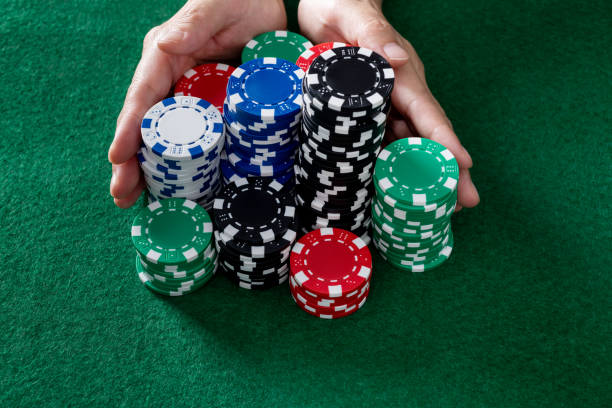
Understanding Casino Behavior Through Psychology
Understanding the psychology behind gambling behaviors is crucial for both players and those in the gambling industry. Recognizing cognitive biases, emotional triggers, and social influences can lead to more informed decisions and potentially reduce harmful gambling practices. By fostering awareness and education, players can better navigate the complex world of casinos, making choices that align with their values and financial well-being.
Ultimately, responsible gambling practices should be promoted, emphasizing the importance of understanding one’s limits. By encouraging awareness and providing resources, the gambling industry can help mitigate the risks associated with gambling while still allowing individuals to enjoy the entertainment that casinos offer.
Leave a Reply